
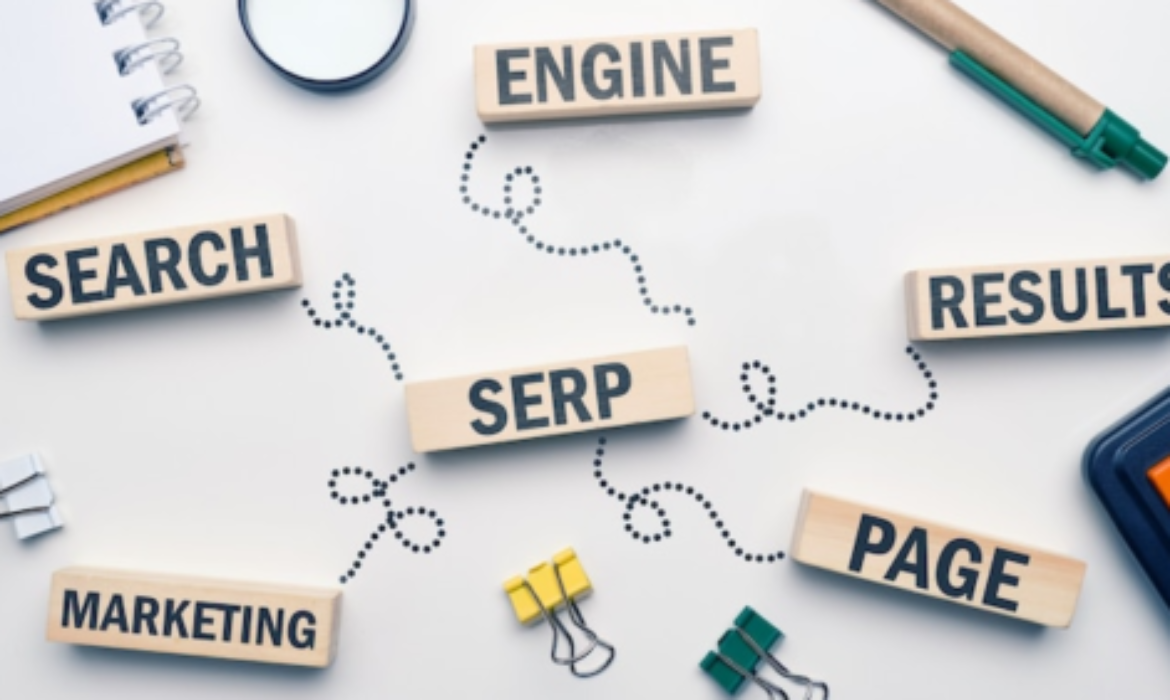
Remember the days of endless blue links dominating Google searches? Well, Google’s search engine results pages (SERPs) are now a dynamic landscape, packed with features designed to provide users with the most relevant and informative experience possible. This guide delves into the latest SERP features in 2024, equipping you with strategies to maximize your website’s visibility and attract organic traffic.
Understanding Google’s Powerhouse Features:
Featured Snippets (Answer Boxes): These handy boxes offer concise answers to user queries directly on the search result page. Appearing in a featured snippet can significantly boost your click-through rate (CTR) as it positions your content as the go-to answer.
People Also Ask (PAA) Boxes: Ever wondered what else people are curious about after searching for something? PAA boxes present additional questions related to the main search query. Targeting these related questions within your content can help you capture a wider range of user intent.
Knowledge Panels: Looking for information on a business, organisation, or a famous person? Knowledge panels display key details about these entities right on the SERP. Ensuring your website’s information is accurate and up-to-date can potentially land you a spot in relevant knowledge panels.
Rich Snippets & Schema Markup: Imagine adding labels to your website content that search engines can understand! Schema markup allows you to provide Google with additional information about your content. This can lead to richer snippets appearing in SERPs, like product ratings for e-commerce sites or event details for local businesses.
Video Carousels: Google often displays video carousels for search queries with a strong emphasis on video content. Creating high-quality, informative videos optimized for search can help you capture valuable video traffic.
Strategies for Conquering 2024 Google SERPs:
Mastering User Intent: Understanding the underlying reason behind user queries is crucial. Optimize your content to address searcher questions directly and comprehensively. Think about what information they’re seeking and strive to provide it in a clear and concise way.
Targeting Long-Tail Keywords: While high-volume keywords still hold value, consider incorporating long-tail keywords with lower competition but higher conversion potential. These often align well with PAA boxes and featured snippets, as they tend to be more specific searches people might use.
Structuring for Clarity: Break up your content with clear headings, subheadings, and bullet points for improved readability. This helps search engines understand the content’s structure and improves the chances of appearing in featured snippets.
Optimizing for Voice Search: As voice search continues to rise, ensure your content uses natural language and conversational phrases people might use when speaking their search queries.
Visual Appeal Matters: Images, infographics, and videos can enhance user experience and potentially lead to video carousels or image results in the SERPs.
Speed & Mobile Friendliness: Google prioritises websites that load quickly and offer a seamless user experience across all devices. Ensure your website performs well on both desktop and mobile platforms.
Staying Ahead of the Curve:
The world of SEO is constantly evolving, and keeping up with the latest Google SERP features is critical for long-term success. By implementing these strategies and staying informed about future changes, you can ensure your website continues to gain visibility and attract organic traffic.
Bonus Tip: Leverage tools like Google Search Console to monitor your website’s SEO performance. This helps you track your ranking for relevant keywords and identify new opportunities presented by the evolving SERP features.
Remember, by following these detailed tips and staying adaptable, you can position your website for success in the ever-changing, feature-rich landscape of 2024 Google Search!
Frequently Asked Questions
Google SERP features are various elements displayed on a Search Engine Results Page (SERP) beyond the traditional blue links. These features are designed to provide users with a more informative and interactive search experience. Examples include featured snippets (answer boxes), People Also Ask (PAA) boxes, knowledge panels, rich snippets, and video carousels.
Schema markup is a way to provide Google with additional information about your website content. Think of it as adding labels that search engines can understand. This can lead to richer snippets appearing in the SERPs, like product ratings for e-commerce sites or event details for local businesses.
As voice search becomes increasingly popular, ensuring your content uses natural language helps your website rank better for spoken search queries.
Google Search Console is a free tool that allows you to track your website’s ranking for relevant keywords and identify new opportunities presented by the evolving SERP features.
Google, everyone’s favourite search engine but sometimes you type in a question, press enter, and suddenly you’re faced with a vast sea of websites, articles, and links. Some might be helpful, but others might not be what you’re looking for at all. Sifting through all this information to find the exact answer you need can be a real challenge.
And that’s why Google has launched a new update and algorithm focused on content relevancy for their audience! This update not only helps users find the most relevant content but also creates challenges for contributors, bloggers, and those who rely on AI to create generic content. To keep up with this new update, you need to ensure your content incorporates the following tips:
Quality Over Quantity: Google rewards content that’s high-quality and informative. Focus on creating valuable resources that truly help your audience. This keeps users engaged and happy, which makes Google happy too!
Deep Dives, Not One-Liners: Google loves content that explores a main topic with lots of details. Think of it like a spiderweb: your main topic is the spider, and each connected strand is a detailed article on a subtopic. This in-depth approach gives users all the info they need in one place.
Know What People Want: Imagine someone searching for something – Google wants to show them content that EXACTLY answers their question. So, figure out what users are REALLY looking for! Are they trying to learn something, solve a problem, or buy something? Personalise your content to their needs.
Become the Helpful Neighbour You Always Wanted!
Your audience has questions. Maybe they’re struggling with a specific task, or curious about a hot topic in your niche. Become their friendly neighbourhood expert! Address their pain points, answer their burning questions, and offer valuable information that truly helps them.
Tell stories, not sales pitches
Facts and figures are important, but people connect with stories. Use real-life examples, case studies, or even anecdotes to illustrate your points and make your content more memorable.
Remember, you’re not just creating content, you’re having a conversation.Don’t forget the human element! Focus on genuine communication, connection, and providing real value. This will lead to content that ranks well and resonates deeply with your audience. Ditch the robotic voice and let your unique voice shine through. Your readers (and Google) will appreciate it!
By putting these strategies into practice, you can craft compelling content that satisfies both search engines and your audience. Go forth and conquer the content creation game!
Ready to dominate the search results? Let’s chat! Contact Talking Crooks today for expert digital marketing, social media strategies, app development, and more! We help you create content that conquers Google and resonates with your audience.
Here’s where you can find us: Talking Crooks


